Top Tips for Self-Drive Tours in Ireland
Ireland driving tips for first-time visitors. Use this guide to plan safe, relaxed days between our trail towns and national parks.
At a glance
Drive on the left.
Distances and limits in kilometres.
Allow extra time on rural roads.
Pre-pay the M50 toll near Dublin.
Book an automatic early if you prefer not to shift gears.
Self-Drive Tour
“Such an easy, stress free way to travel. Ireland Walk Hike Bike took the hassle out of planning each day, and the itinerary gave us the flexibility to go with our own flow too.
CASSANDRA
Quick basics
Left side, right-hand seat. Keep left on all roads. The driver sits on the right.
Speed limits: usually 120 km/h on motorways, 100 km/h on national roads, 80 km/h on regional and local roads, 50 km/h in towns unless signed otherwise.
Roundabouts: give way to traffic coming from your right and indicate your exit.
Seatbelts: required for all occupants.
Mobiles: hands-free only. Never text while driving.
Children: use the correct child seat for height and weight.
Planning your driving days
Keep days short. Irish roads are scenic and slow. A two-hour map estimate can become three with photo stops and villages.
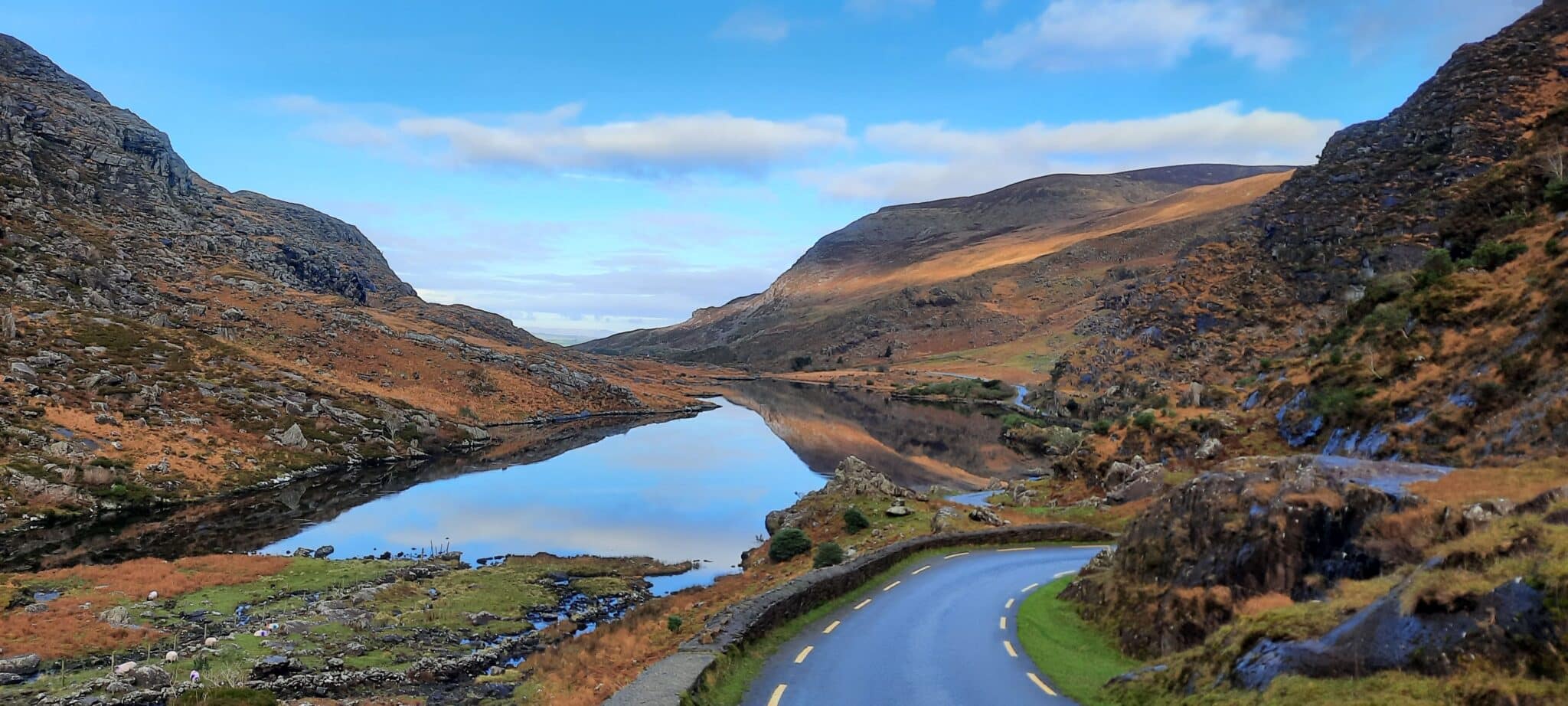
Match routes to your trip. The Wild Atlantic Way, the Causeway Coast and the Ring of Kerry reward unhurried pacing.
Build in a walk. A short trail or coastal loop breaks up the day. See our guided walking tours in Ireland or browse self-guided hikes with luggage transfer.
Roads and signage
Motorways (M): fast, direct, blue signs.
National roads (N): primary routes between counties.
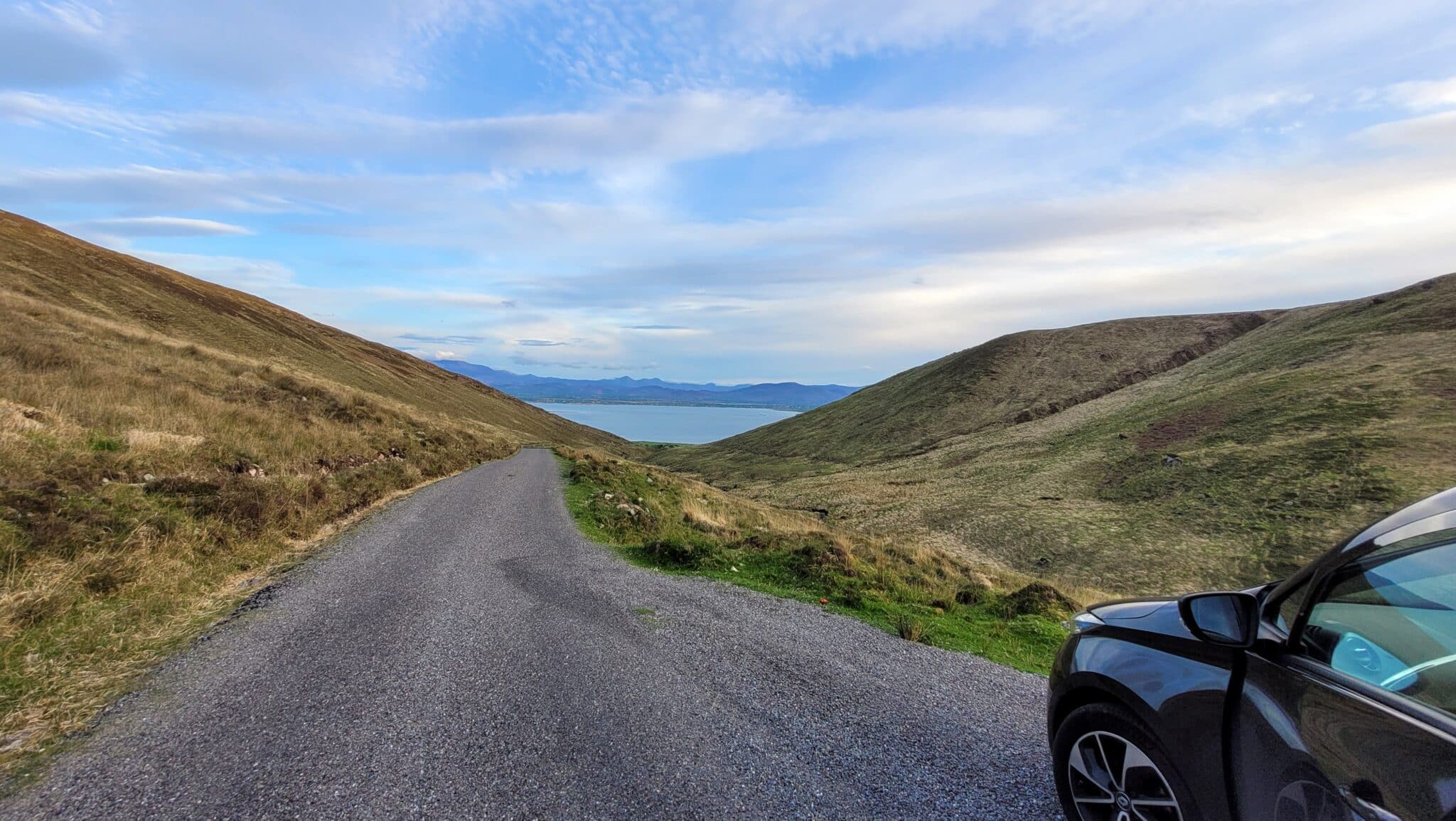
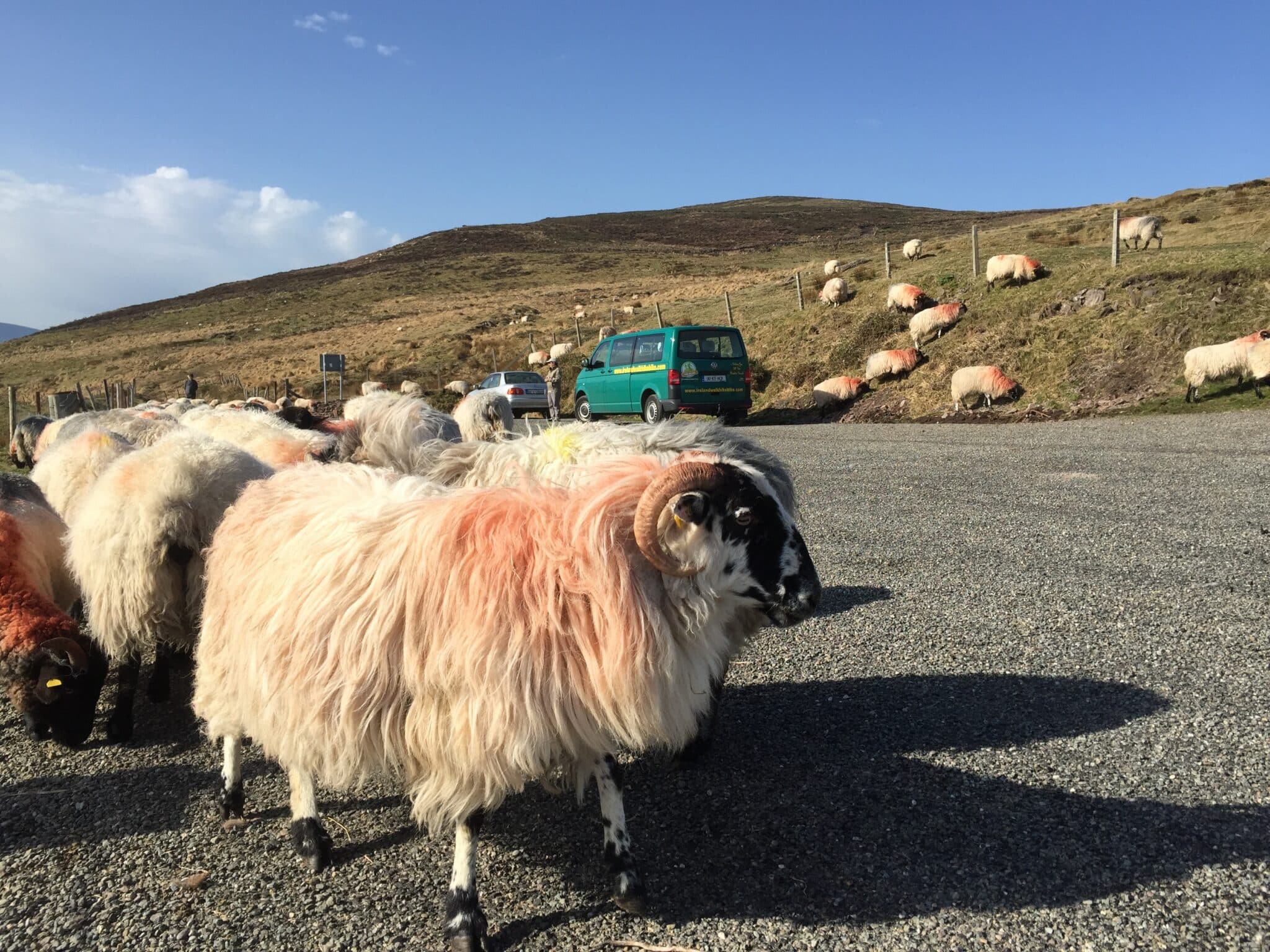
Regional and local roads (R and L): narrow, winding, very scenic. Expect tractors, cyclists and sheep.
Wayfinding: Google Maps and Apple Maps work well. Download offline maps for rural valleys.
Tolls and the Dublin M50
Most tolls accept cards and cash.
The M50 around Dublin uses barrier-free tolling. If your hire car is not registered, you must pay online the same day or by 8 pm the next day to avoid penalties. Ask your rental desk how your car handles M50 charges.
Parking and towns
Pay-and-display is common. Keep coins or a bank card handy.
Watch for disc parking zones in some towns. Buy a disc from newsagents where required.
Do not block farm gates or field entrances.
Look for central car parks when visiting heritage towns like Killarney and Kilkenny.
Fuel and EV charging
Petrol is unleaded. Diesel is widespread in rural hire fleets. Check the nozzle before filling.
Electric charging points are growing in number. Plan top-ups near larger towns and carry the relevant app or RFID card. Allow extra time on touring days.
Rural driving know-how
Single-track stretches: use passing places to let oncoming traffic by.
Blind bends: slow early. Sound your horn on very tight corners if visibility is poor.
Livestock on roads: stop and wait. Do not rush animals.
Weather: rain and mist arrive quickly. Use dipped headlights for visibility.
Car hire tips
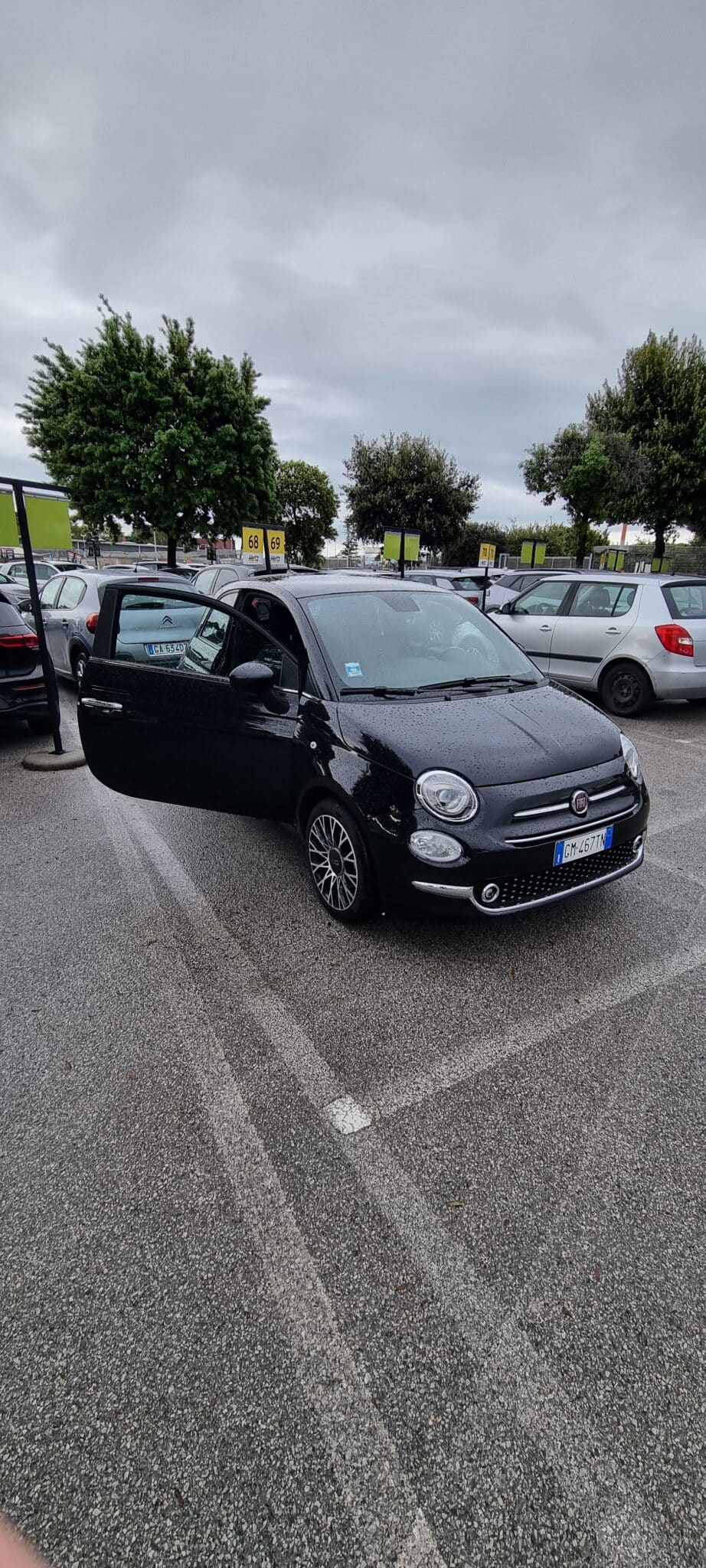
Book early in peak months for automatics and compact SUVs.
Check insurance, excess, and tyre-glass cover. Consider reducing the excess for peace of mind.
Bring a credit card in the driver’s name for the security hold.
Add one named driver for longer trips to share the wheel.
Photograph the car on collection and return.
Licences and rules
Visitors from the US, UK, EU, EEA and many other countries can drive on a valid home licence for short stays. Some travellers may also need an International Driving Permit. Check your own country’s guidance before you travel.
Keep your licence, rental agreement, and insurance in the car.
In an incident, swap details and contact 112 or 999 for emergency services.
Safe distances and speed
Keep a safe gap on wet roads. Surfaces can be shiny after rain.
Never overtake on continuous white lines.
Use lay-bys for photo stops. Do not stop on narrow verges.
Sample self-drive pairings with walks
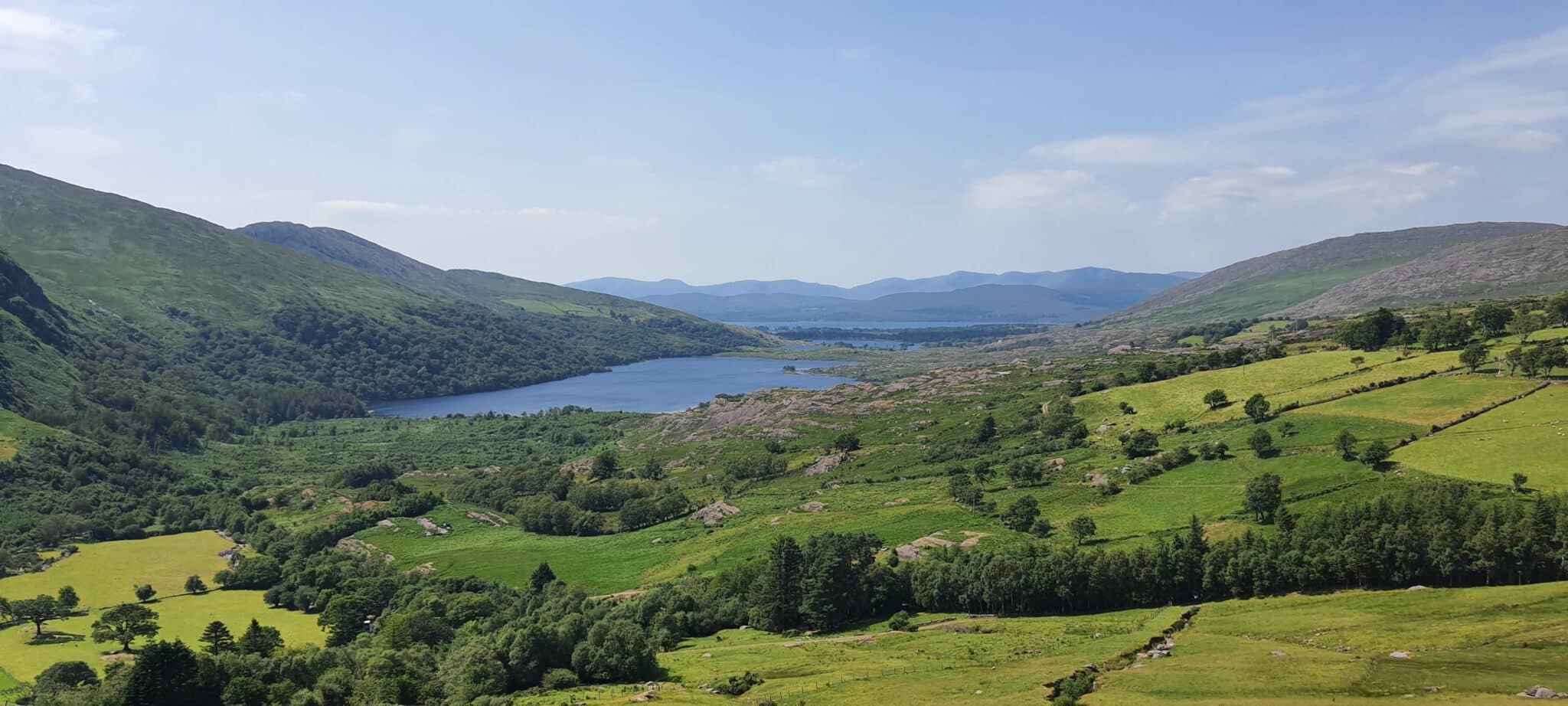
Killarney National Park: Lakeside roads, Torc Waterfall, and Ross Castle. Join our guided Kingdom of Kerry hike to add a day on the trails.
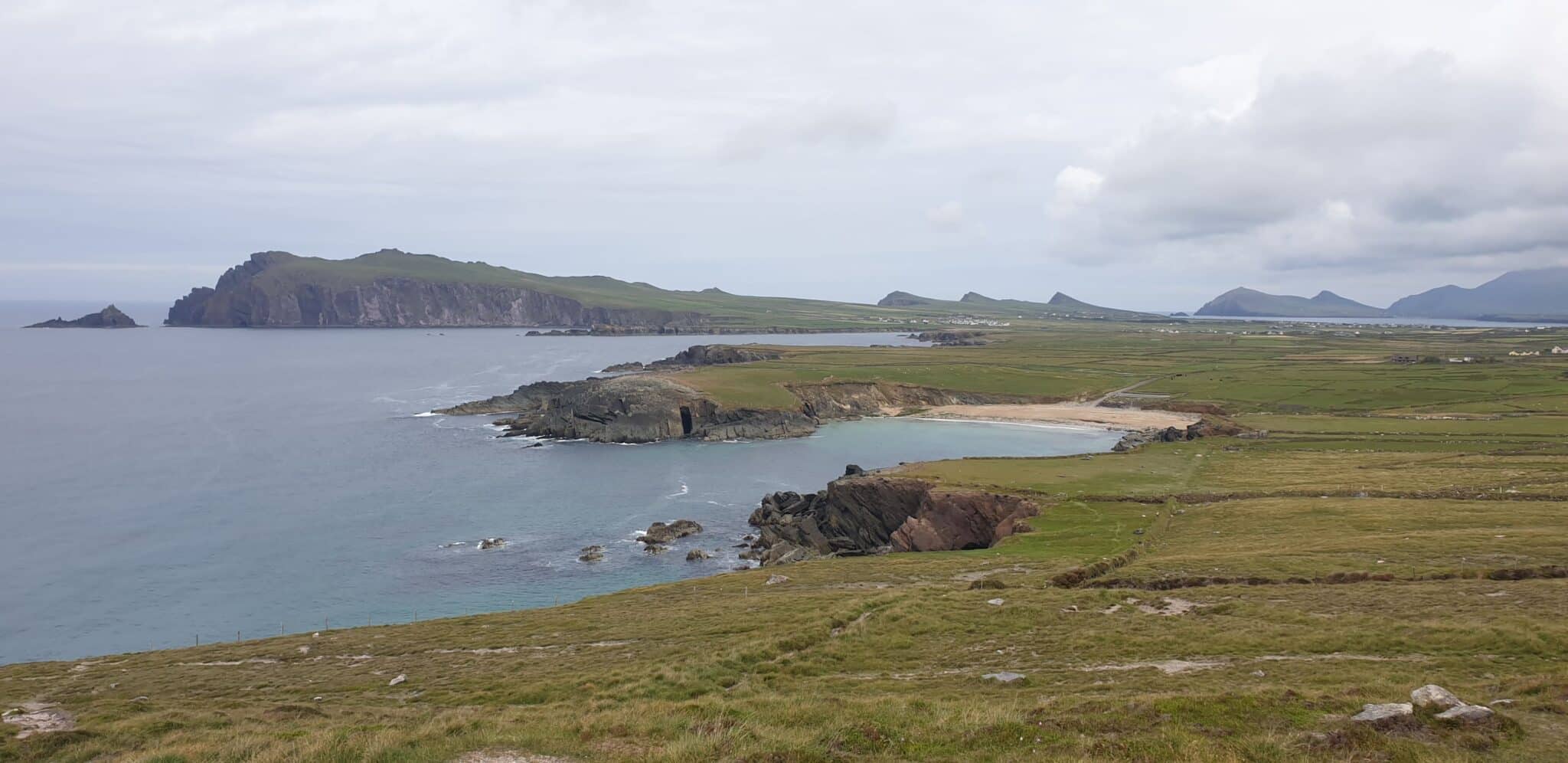
Dingle Peninsula: Conor Pass views and Slea Head scenery. Our self-guided Dingle Way links colourful villages with cliff paths.
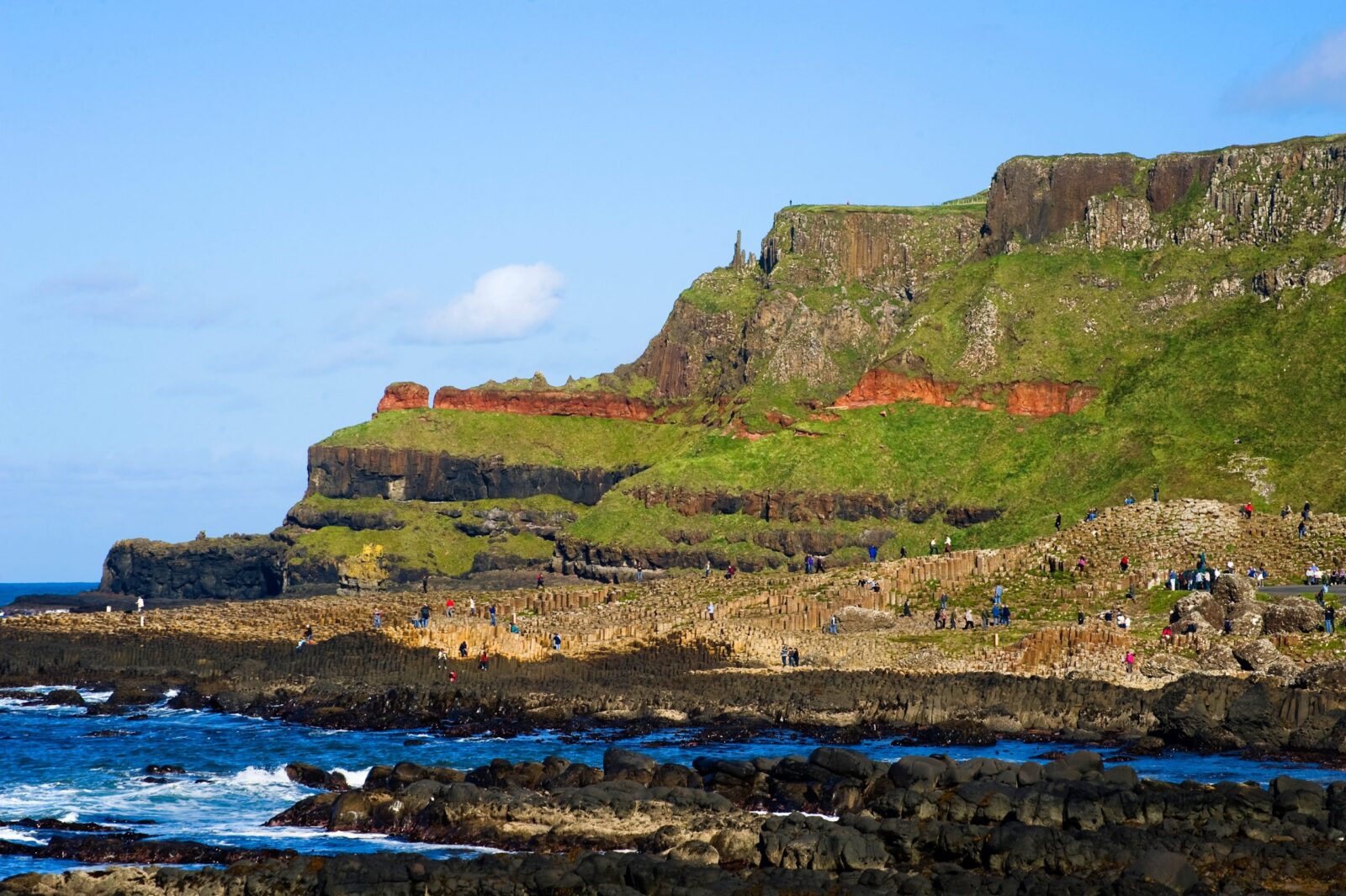
Causeway Coast: Coastal roads and clifftop paths. See our Antrim Glens and Causeway Coast hike.
FAQs
Do I need a car for a walking holiday?
No, our walking trips are generally inn to inn so you can get to the start by rail and bus.
What side of the road do you drive on in Ireland?
Left side. Keep left on motorways, roundabouts, and rural lanes.
Are Irish speed limits strict?
Yes. Limits are a maximum, not a target. Rural roads often require slower speeds.
Is drink-driving tolerated?
No. Ireland has strict limits and frequent checkpoints. Plan a driver or take a taxi if you are tasting whiskey or craft beer.
Can I use a dashcam or phone as a sat-nav?
Yes for navigation. Do not hold a phone while driving.
What happens if I break down?
Move off the carriageway where safe, switch on hazards, and call your hire company. Use 112 or 999 in an emergency.
Ready to plan your route?
Contact us with your travel dates and comfort level. We will shape a route that links the best walks, cosy towns, and scenic drives at a relaxed pace.